Why FIFA Chose Missouri and Why Growing Businesses Should, Too
- March 02, 2026
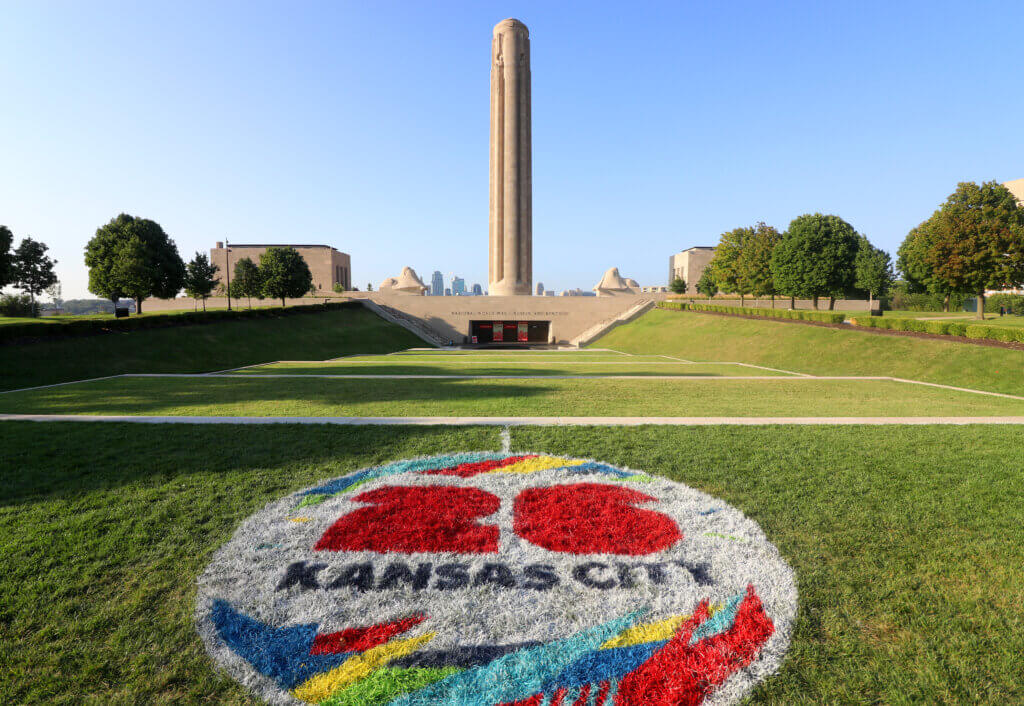
Key takeaways:
- FIFA’s selection of Kansas City validates Missouri’s world-class infrastructure, connectivity, and ability to deliver complex, large-scale projects—qualities that matter just as much to growing businesses as they do to global events.
- Missouri’s geographic advantage, robust transportation network, and lower congestion enable faster movement of people and goods, reduced costs, and access to major U.S. markets—offering companies global reach without big-city constraints.
- The region’s success in meeting FIFA’s rigorous standards reflects a broader culture of public-private collaboration across Missouri, signaling to businesses that the state is prepared, responsive, and built to support long-term expansion.
When FIFA selected Kansas City, Missouri, as a host city for the 2026 World Cup, the decision was about far more than soccer. It was a global endorsement of the region’s infrastructure, connectivity, and capacity to deliver on the world stage. Those same qualities that attracted FIFA are exactly why Missouri continues to stand out as a premier location for business expansion.
Central Location with Global Reach
Kansas City sits at the geographic heart of the United States, making it one of the most logistically efficient regions in North America. Located at the geographic heart of the United States, Missouri boasts four major interstates, one of the nation’s largest rail networks, and strong air connectivity linking the state seamlessly in every direction, allowing people and goods to move quickly and efficiently.
This ease of access also influenced World Cup basecamp considerations: Argentinian outlet TyC Sports reports that Argentina’s national team preferred Kansas City over Dallas due to its cooler summer climate, lighter traffic, and less dense population—advantages that support performance and logistics during a mid-summer tournament. In total, four national soccer teams have chosen Kansas City (and the surrounding region) as their basecamp location for the 2026 FIFA World Cup. These selections have helped earn Kansas City the nickname “Base Camp Capital” of the 2026 World Cup due to the concentration of elite teams choosing to prepare there.
These same qualities benefit businesses across Missouri, where reduced congestion, shorter travel times, and a lower cost of movement translate into higher productivity and operational efficiency. At the same time, Missouri offers ideal proximity to major markets, Kansas City is just a two-hour flight from Dallas and within easy reach of virtually anywhere in the U.S., giving companies the reach of a global platform without the challenges of overcrowded, high-cost metros.
Collaborative Leadership That Delivers
Kansas City’s selection as a World Cup host and a potential basecamp city is a direct reflection of the region’s collaborative leadership and its ability to deliver on a global stage. Meeting FIFA’s rigorous standards requires close coordination among city leadership, regional transit and utilities, public safety, venue operators, and private-sector partners. The city demonstrated not only that it has the infrastructure in place, but that it can manage complex operations, large crowds, and international expectations through strong partnerships and shared accountability. That leadership in Kansas City also reflects positively on Missouri as a whole, highlighting a statewide culture that values collaboration, responsiveness, and results. Together, they show that when it comes to delivering large, complex projects, Missouri communities know how to work together and succeed.
Global Spotlight, Long-Term Opportunity
Hosting the World Cup propels Missouri onto the international stage, reinforcing its reputation as a place that welcomes opportunity. FIFA saw a region ready for the world. Businesses will find a state ready for growth.
FIFA’s choice sends a clear message: Missouri has the location, infrastructure, and leadership to compete globally. For growing businesses looking for their next strategic move, the same reasons FIFA chose Missouri make it a smart place to expand.
Related News
Site Selectors Attend Sikeston Rodeo, Explore Southeast Missouri’s Business and Workforce Strengths
Familiarization tour brings corporate location advisors to the Sikeston area to experience the ... Read More
More Than $76 Million in Federal Investments Position Northern Missouri for Long-Term Growth
Key Takeaways Across northern and north-central Missouri, major federal investments are laying ... Read More

St. Louis Selected to Host 2028 U.S. Olympic Marathon Trials
St. Louis has been selected to host the 2028 U.S. Olympic Team Trials – Marathon, bringing on ... Read More